
The Legal Side of ESG: What Companies Need to Prepare for in 2026
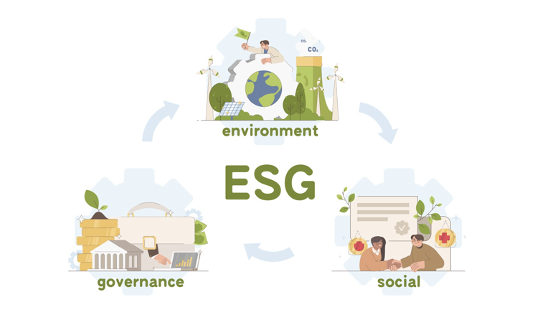
ESG — environmental, social, and governance — used to be an optional narrative, a way for companies to demonstrate corporate responsibility beyond profit. But in 2026, that changes. Across Europe, ESG standards are becoming part of the legal backbone of doing business, shaping not only how companies report their sustainability performance but how they are managed, governed, and held accountable.
The next phase of ESG regulation will test how well companies can turn principles into practice. From reporting obligations to due diligence and board-level accountability, 2026 marks a year when ESG compliance becomes both a legal and strategic priority.
From Voluntary Reporting to Legal Obligation
The Corporate Sustainability Reporting Directive (CSRD) is the most visible driver of this transformation. It replaces earlier, looser frameworks and establishes a much broader, more detailed set of reporting obligations. Companies subject to the CSRD must publish verified data on everything from carbon emissions and energy use to diversity metrics and governance processes — all according to standardized European Sustainability Reporting Standards (ESRS).
By 2026, the scope will extend to non-EU companies with significant operations or subsidiaries in the EU, including many headquartered in the UK and the United States. This shift redefines ESG reporting as a matter of compliance rather than communication — with external audits, data assurance, and legal accountability becoming the new norm.
For many organizations, the CSRD means upgrading internal systems and aligning sustainability disclosures with financial reporting standards. In other words, ESG reporting will no longer live in the realm of marketing or communications; it will sit firmly alongside accounting and risk management.
Due Diligence and Responsibility Beyond Borders
Complementing the CSRD is the Corporate Sustainability Due Diligence Directive (CSDDD) — expected to take effect in 2026. While the CSRD focuses on transparency, the CSDDD introduces active responsibility. Companies will be legally required to identify, prevent, and mitigate human rights and environmental risks across their global supply chains.
That means performing real due diligence on suppliers, assessing climate transition plans, and when necessary, taking corrective action. These are not soft expectations: non-compliance could lead to penalties, civil liability, or public enforcement.
For many multinationals, the CSDDD blurs the line between operational and legal oversight. ESG obligations will extend well beyond the corporate boardroom, reaching into vendor relationships, procurement practices, and overseas operations.
Governance as the Cornerstone of ESG
Amid all the focus on environmental and social performance, it’s the governance aspect that anchors ESG in law. Under these new frameworks, boards of directors will have explicit duties to oversee sustainability risks and to integrate ESG into corporate strategy.
This includes revising internal policies, establishing control systems, and ensuring that sustainability data is as reliable as financial data. Some companies are already linking executive compensation to ESG targets, reflecting how deeply governance structures are evolving.
For directors, ESG is no longer an abstract topic, it’s a fiduciary obligation tied to long-term corporate performance and compliance.
Why It Matters Beyond the Big Players
Even businesses not directly caught under the CSRD or CSDDD will feel the ripple effects. Large corporations will increasingly demand ESG alignment from their suppliers, partners, and contractors as part of procurement and compliance processes.
For smaller companies, that means integrating ESG principles proactively to stay competitive, especially those working with clients or investors who operate under EU regulations. What began as a regulatory concern for listed companies is quickly becoming a market expectation across all sectors.
Preparing for the 2026 ESG Landscape
The coming year is a crucial time to prepare. Companies should begin by assessing their exposure: which entities or clients fall under the EU’s new ESG directives, and how their own operations fit into that picture.
Next comes implementation: building credible reporting systems, setting measurable sustainability goals, and training leadership to understand their governance obligations. Supply chain management will also require attention, ensuring that due diligence processes are clear, documented, and enforceable.
ESG compliance can no longer be delegated to a sustainability officer alone. It’s an all-company effort — a combination of legal, operational, and cultural adaptation.
Looking Ahead
By 2026, ESG will be an integral part of how European companies — and those doing business with them — are judged. Compliance will not only protect against legal risk but also serve as a marker of good governance and long-term value creation.
The EU’s message is clear: ESG is moving from aspiration to accountability. The companies that adapt early, aligning legal compliance with genuine sustainability strategy, will not only stay ahead of regulation but also strengthen their reputation, resilience, and trust in a changing global economy.